
How to Hire a Composer for Your Short Film
The score is one of the last things added to a film, and one of the easiest to rush. This guide walks through what to look for in a composer, when to bring them in, the brief and the temp track, spotting, budget, rights and delivery. It is general guidance, not legal advice.
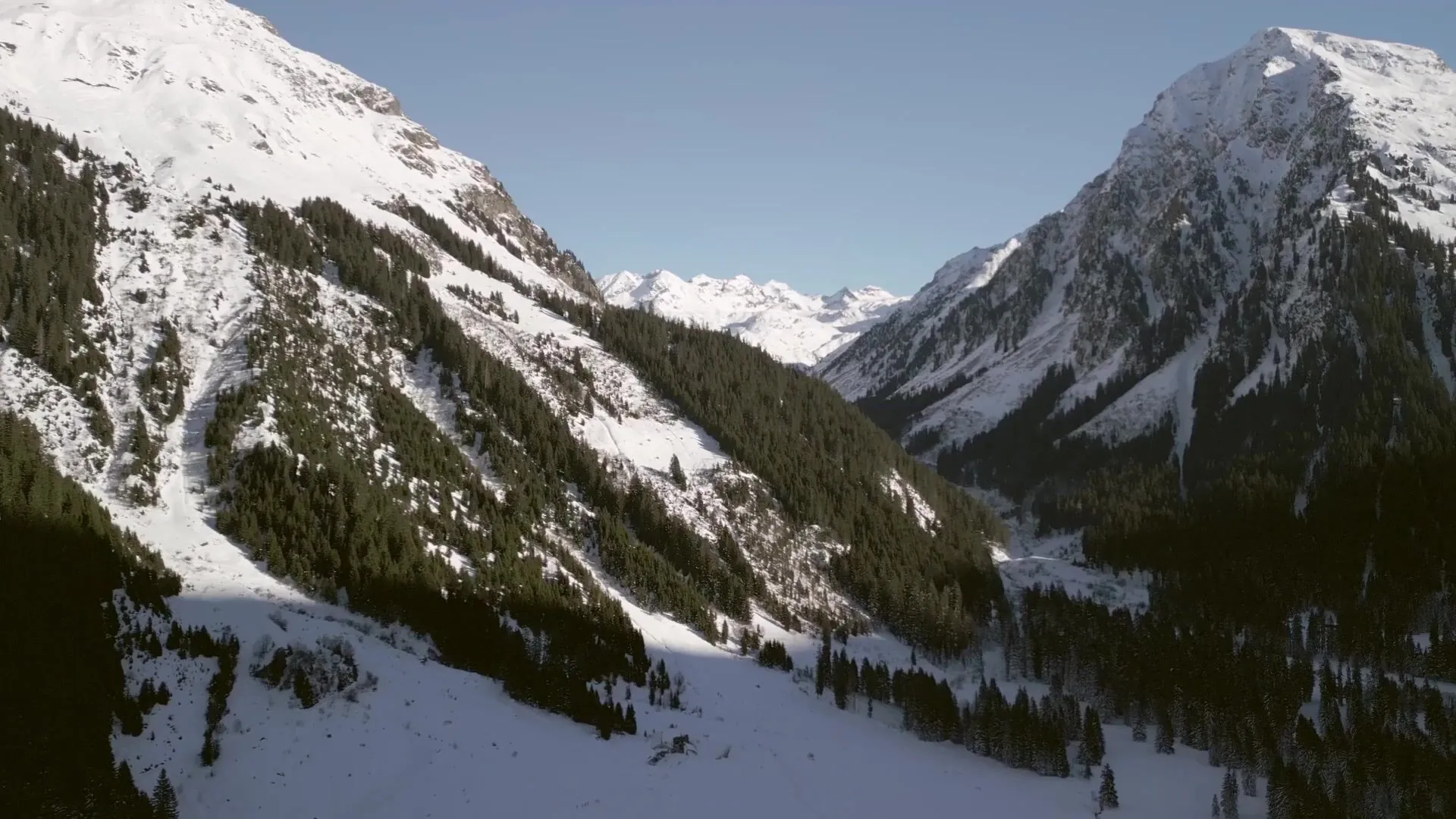
Still Original Score: Lost
Contents — Hiring a composer
09 sections
Short answer
Bring a composer in before picture lock if you can, and choose them by watching their work with picture, not just listening to a reel. Send a clear brief, treat the temp track as a reference rather than a target, agree on every cue in a spotting session, and put the fee, rights, deadlines and deliverables in writing before anyone starts.
01 · Choosing
What to look for in a composer.
Watch, don’t just listen. Music that sounds great on its own can still fight a scene. Ask to see work with dialogue and sound effects in, and notice whether the music enters and leaves in the right places, leaves room for the voices and changes when the story does.
Look for fit before range. A composer who has written in many styles is useful, but the real question is whether they can find the sound of your film. A short conversation about the story often tells you more than a reel.
Then ask practical questions. How do they share ideas before the final version, how many rounds of changes are included, and what will they deliver at the end? A composer who answers those clearly is usually easy to work with under a deadline.
- 01Can I see scenes you have scored?With dialogue and sound effects in, not the music on its own.
- 02How will you share ideas before the final version?Sketches, mock-ups, a theme on piano: anything you can react to early.
- 03How many rounds of changes are included?And what happens if the edit changes after a cue is written.
- 04Live players, virtual instruments or both?It changes the sound, the schedule and the budget.
- 05What will you deliver, and in what format?Full mixes, stems, versions and cue-sheet details.
- 06Who owns the music, and what can the film do with it?Festivals, streaming, trailers and anything else you plan.
02 · Timing
When to bring a composer in.
There are three natural points to bring a composer on, and earlier is usually better. The later they join, the less time there is to write, change and deliver before your festival deadline or release date.
At the script
The composer can shape a theme and a sound while you shoot, and any music performed on camera can be written and recorded in time for the shoot. Timings will change, so expect cues to be reworked later.
At the rough cut
The composer can sketch against real scenes and help the edit find its pace. Cues will need re-timing as the cut changes, so agree early on how that is handled.
At picture lock
Timings are final and scoring is efficient, but the schedule is at its tightest. Leave enough time for writing, a round of notes and delivery before the final mix.
03 · Brief and temp track
The brief and the temp track.
A good brief is short and specific. It tells the composer what the film is, how it should feel, where music belongs and where silence does, and what you need at the end. It also sets the practical limits, the budget and the dates, so there are no surprises later.
A temp track is existing music laid into the edit as a stand-in. It helps, because it shows tone and pace in a way words can’t. It is also a trap. After hearing a temp cue dozens of times in the edit it is easy to want the score to copy it, which leads to a weaker score and can cause copyright trouble if the new cue ends up too close to the original.
Use temp music to talk about qualities rather than to set a target: this tempo, this sparse piano, this lift at the reveal. Tell the composer which temp cues you love and why, and be ready to hear something different that does the same job better.
The film
Logline, runtime and genre
Tone
Three or four words for how it should feel
Music map
Where music plays, and where it shouldn’t
References
Temp cues or other scores, and what you like about each
Dates
Picture lock, the final mix and festival or release deadlines
Budget
A range, and whether it has to cover players and recording
Deliverables
The files and paperwork you need at the end
Rights
What the film needs: festivals, streaming, trailers
04 · Spotting
Spotting sessions and the cue list.
A spotting session is where the director, the composer and often the editor watch the film together and decide where every piece of music starts and stops, and what each one is for. It is the most useful meeting in the scoring process, and it works in a room or over a shared screen.
The result is a cue list. Each cue gets a number (the usual convention is 1M1 for reel one, music cue one), an in and out timecode and a short note on its job in the scene. On a short film the list may only run to a handful of cues. Write it down and share it, so everyone is scoring the same film.
Spot for silence as well as music. A scene without score can land harder than one with it, and deciding that early saves writing cues that end up cut.
1M1
00:00:00:00 – 00:01:10:00
Opening titles: set the place, quietly
1M2
00:03:42:12 – 00:04:30:00
The phone call: tension under the dialogue
1M3
00:06:05:00 – 00:06:40:16
The drive: carry the montage, then drop out
1M4
00:09:48:00 – 00:11:30:00
The reveal, rising into the end credits
05 · Budget
What drives the budget.
Composer fees vary widely, and a short film can be scored on a small budget or a large one. What moves the number is fairly consistent, so it helps to know what you are asking for before you talk money.
The biggest factors are how much music the film needs, whether it is played by live musicians or built with virtual instruments, how much time there is, and what rights you are buying. Some composers work to a package fee that covers players and recording; others charge a creative fee with those costs on top. Ask which, and what is included.
Minutes
More cues, and longer cues, mean more writing
Players
Live musicians and recording sessions cost more than virtual instruments
Schedule
A tight deadline means more hours in less time
Changes
How many rounds of revisions are included
Rights
Owning the score outright usually costs more than licensing it
Extras
Songs, a soundtrack release or trailer versions
06 · Rights
Rights, licensing and cue sheets.
Before any music is written, agree in writing on who owns it and what the film can do with it. There are two common arrangements.
Work for hire
The production owns the score and its recordings. In many deals the composer is still credited and keeps the writer’s share of performance royalties, collected through a performing rights organization (PRO) such as ASCAP or BMI.
A license
The composer keeps ownership and grants the film the rights it needs, for set media, territories and a length of time. Depending on the terms, the composer may be free to release the music or use it elsewhere.
Festivals expect the music in your film to be cleared, and distributors and streaming platforms usually ask for a signed composer agreement and a cue sheet: a list of every cue with its timing, how it is used, and the writers, publishers and PRO details. PROs use cue sheets to pay performance royalties, so the composer will want one filed too.
This is general information, not legal advice. For anything beyond a simple festival short, have an entertainment lawyer look over the agreement.
07 · Delivery
What the composer should deliver.
Agree on deliverables at the start, because they affect how the score is recorded and mixed. The re-recording mixer, who balances dialogue, effects and music in the final mix, needs files they can drop onto the timeline and adjust without going back to the composer.
That usually means a full mix of every cue plus stems: the same cue split into groups such as percussion, low end, harmony and melody, so the music can be pulled back under a line of dialogue. Stems also feed the M&E, the music and effects mix without dialogue that is used for foreign-language versions.
Full mixes
Every cue as a stereo file, or in the film’s surround format
Stems
Each cue split into groups, every stem the full length of the cue
Format
WAV, 48 kHz, 24-bit: the usual standard for picture
Sync
Named by cue number and version, starting at a stated timecode
Versions
Instrumental versions of any cue with vocals
Paperwork
Cue titles and timings for the cue sheet, and the signed agreement
08 · Examples
Hear Nate’s scores.
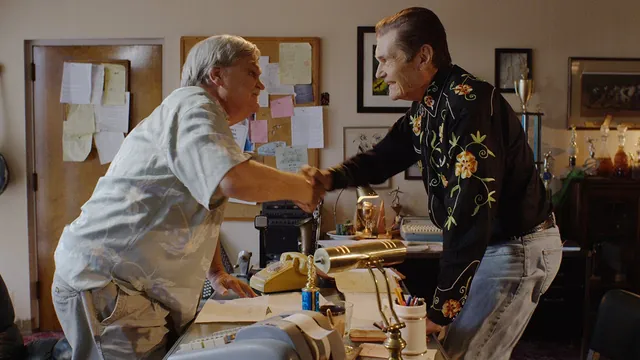
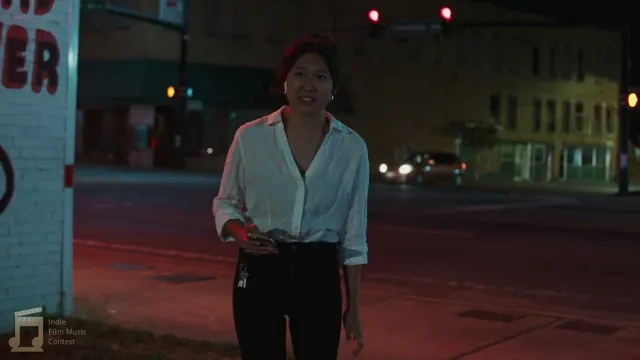
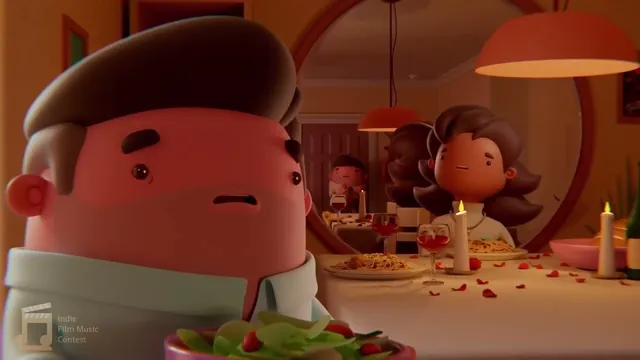
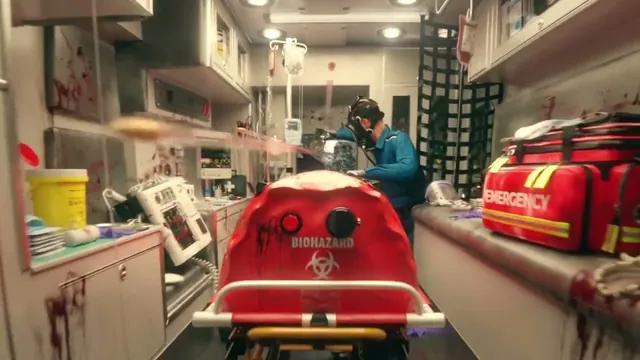
Nate Lanzino has composed and arranged for short films and trailers that have appeared on Amazon, TubiTV and film festivals, and he writes original scores for film, television, advertising and multimedia projects. These five pieces are on his media page, including two re-scores submitted to the Indie Film Music Contest 2025 and one to Spitfire Audio’s Albion Colossus trailer re-scoring competition.
Watch them the way this guide suggests: with picture, listening for where the music enters, where it gets out of the way and how it follows the story. Nate is a Baltimore music producer, sound engineer, songwriter and multi-instrumentalist, and he works in person and remotely.
Questions
Questions before you hire.
Anything else about scoring your film? Call or text Nate, or send an email.
As early as you can. Picture lock is the usual point for final timings, but a composer who reads the script or sees a rough cut can shape a theme and a sound before the schedule gets tight.
Next channels
Next channels.
Talkback · Scoring a film
Your vision. Nate’s expertise.
Let’s turn your ideas into a finished track you’re proud of.
Call or text Nate, send an email, or hire him on SoundBetter to talk through the score for your film.